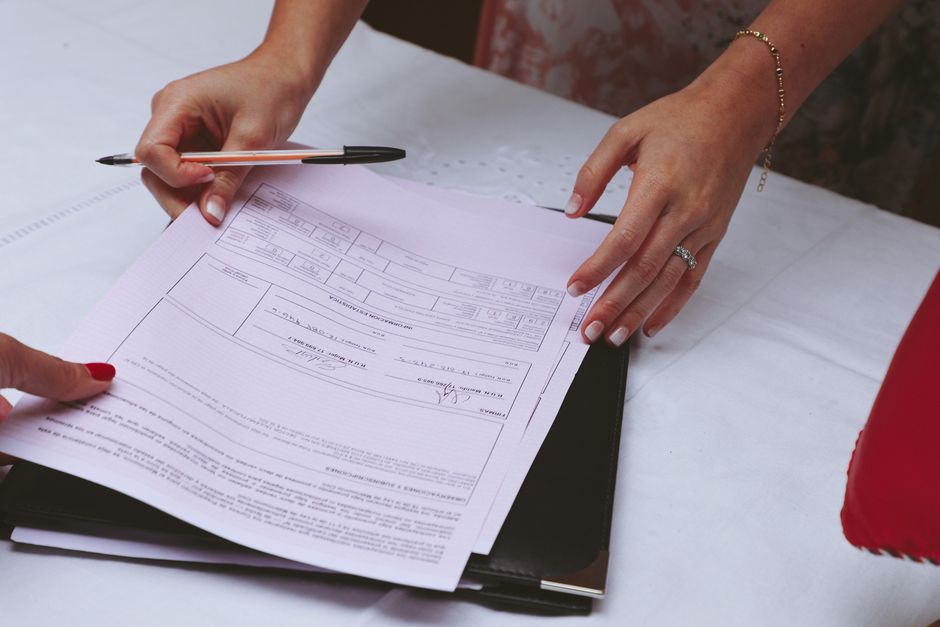
Tenancy Handover Checklist for Childs Hill: Legal Musts

If you're handing back a rented property in Childs Hill, the last few days can feel oddly intense. Boxes everywhere, patchwork wall marks, the keys on the kitchen counter, and that nagging question: have we actually done everything we need to do? A proper tenancy handover checklist for Childs Hill: legal musts is the difference between a clean exit and a messy dispute over deposits, repairs, or missing paperwork. It helps tenants, landlords, and letting agents get the handover right, calmly and in the right order.
In this guide, we'll walk through the legal and practical essentials in plain English. You'll see what matters at checkout, how to prepare the property, which documents to keep, where people usually slip up, and how to approach the final inspection without unnecessary stress. There's a lot to remember, truth be told, but the process gets much easier once you break it into steps.
Why Tenancy Handover Checklist for Childs Hill: Legal Musts Matters
A tenancy handover is not just "hand over the keys and hope for the best". It is the point where the end-of-tenancy obligations, the inventory record, the condition of the property, and any agreed cleaning or repair work all come together. If that handover is sloppy, misunderstandings creep in fast. One side thinks the flat was "fine"; the other says the carpet was stained, the oven wasn't cleaned, or the property was left with rubbish in the hallway. Standard argument. Painful, too.
In Childs Hill, where homes range from compact flats to larger family lets and conversion properties, the risks are often practical rather than dramatic. Tight stairwells, limited parking, shared entrances, and busy street access can make moving day feel like a small logistical puzzle. That's exactly why a legal-musts checklist matters: it gives you structure, proof, and a fairer basis for agreement.
For tenants, the goal is usually simple: get the deposit back without drama. For landlords and agents, it's about receiving the property in a condition that matches the tenancy terms, while staying fair and consistent. The right checklist helps both sides act on evidence, not memory.
Expert summary: A good handover is less about perfection and more about documented condition, reasonable wear and tear, and clear communication before the final inspection.
How Tenancy Handover Checklist for Childs Hill: Legal Musts Works
Think of the handover as a sequence rather than a single event. First, you prepare the property. Then you compare its condition against the inventory and tenancy agreement. Next comes cleaning, repairs, meter readings, and the final inspection. Finally, keys are returned and any deposit deductions are assessed against evidence.
The legal musts are usually less about one dramatic rule and more about doing the basics properly. You should keep records, follow the tenancy agreement, respect notice periods, and leave the property as agreed. If repairs are needed, the key question is whether they are tenant responsibility, landlord responsibility, or simply fair wear and tear. That distinction matters a lot, and people often underestimate it.
In practice, the process should be documented with photographs, dated notes, and a check against the original inventory. If there are disputes, this paper trail is what tends to stand up when memories get fuzzy. And they do get fuzzy, especially after a long move and a couple of late nights packing the cutlery drawer.
If the move itself is getting complicated, it can help to arrange support through a local team such as removals or a more tailored option like man and van when you need a smaller, practical service. For larger jobs, house removals can be a better fit. The point is simple: reduce chaos so the handover itself stays tidy.
Key Benefits and Practical Advantages
A solid tenancy handover checklist does more than protect the deposit. It also reduces last-minute panic, improves trust between the parties, and makes the move feel manageable. That's worth something on its own. Let's be honest, moving out can be emotionally flat and physically exhausting at the same time.
- Better deposit protection: Clear evidence makes unjustified deductions less likely.
- Fewer disputes: If the inventory, photos, and meter readings are all ready, arguments usually shrink fast.
- Cleaner final inspection: You can focus on real issues instead of rushing around checking drawers at the last minute.
- Stronger legal position: A documented handover is easier to defend if there is a disagreement later.
- Less stress on moving day: You know what's done, what's left, and who is responsible for what.
There's another upside people don't always mention: a well-handled handover helps you leave on good terms. That can matter if you ever need a reference, want flexibility on timing, or simply prefer not to spend the final hour of a tenancy arguing about a lightbulb. Not exactly glamorous, but very useful.
Who This Is For and When It Makes Sense
This checklist is useful for tenants leaving a private rented home, landlords preparing for re-let, and letting agents managing a checkout. It also helps house sharers, families, and anyone moving from a flat in Childs Hill where access and timing can be tight. If there's a deposit at stake, there is usually a handover worth planning properly.
It makes especially good sense when the property has had any of the following during the tenancy:
- pets or children, where normal wear can show up more quickly
- shared areas such as hallways or communal bins
- recent repairs, redecorating, or appliance replacements
- parking restrictions or narrow access that make moving day a bit awkward
- short tenancies, where the inventory may feel especially important
It is also useful if the move involves heavy furniture, awkward staircases, or tight turnarounds. In those cases, using a trusted local option such as man with van removal or movers can keep the property clear on time, which honestly makes the final inspection much smoother.
Step-by-Step Guidance
Here is the practical version. No fluff, no drama.
- Check the tenancy agreement first. Look for cleaning clauses, gardening responsibilities, key return instructions, and notice requirements. If you're unsure, read the exact wording rather than relying on memory.
- Compare the property to the inventory. Go room by room. Look at walls, floors, fittings, appliances, garden areas, and anything recorded at move-in. Fair wear and tear is normal; avoidable damage is another matter.
- Clean properly. Deep clean the kitchen, bathroom, skirting boards, and any hard-to-reach corners. The oven and fridge are the usual trouble spots. They always are.
- Remove all personal items and waste. Leave cupboards empty, loft spaces checked, and bins managed according to local collection timing. Don't forget under beds and behind radiators.
- Do minor fixes only if they are yours to do. Replace missing bulbs, rehang a simple curtain rail if it was your responsibility, and patch tiny nail holes if appropriate. But do not start DIY repairs you can't finish neatly.
- Take final photos. Photograph every room in daylight if possible. Capture the kitchen sink, bathroom, meter locations, windows, and any marks already noted during the tenancy.
- Record meter readings. Note gas, electricity, and water if applicable. Photograph the meters as backup. It takes two minutes and can save a long dispute later.
- Return all keys, fobs, and remotes. Count them properly. A missing key can be surprisingly expensive in practice, especially where locks or communal access systems are involved.
- Confirm the checkout appointment. Be available at the agreed time and make sure the property can be inspected without delays. If you need moving help, arrange it early so the place is actually empty when required.
- Keep a final handover note. A simple written summary of condition, keys returned, meter readings, and any agreed issues is worth keeping.
If you are coordinating the move yourself, a smaller vehicle option like moving van may be enough for the final clear-out. If the job is bigger, something like removal van support can help you get everything out on time. Time pressure is usually the enemy here.
Expert Tips for Better Results
Some handovers go smoothly because the parties are unusually lucky. Most go smoothly because someone was organised early. That someone can be you.
- Start the checklist a week before move-out. Leaving it to the last night is how small problems become large ones.
- Use the same room order as the inventory. It sounds dull, but it saves time and reduces missed details.
- Take photos before and after cleaning. This gives you proof of effort, not just of final appearance.
- Keep communication in writing where possible. A quick message about a repair, key return, or checkout time can prevent confusion later.
- Check the property in natural daylight. Marks, dust, and patchy cleaning are easier to spot around late morning than in the evening.
- Don't over-restore the property. You are not trying to make it brand new. Reasonable wear and tear exists for a reason.
A small practical note: if you're moving out of a flat with a tricky stairwell or limited parking, give yourself more time than you think you need. In Childs Hill, a ten-minute delay can become a half-hour one very quickly, especially if the street is busy. It happens.
If packing is overwhelming, consider packing and unpacking services to speed things up. That can be especially helpful when you need the old property cleared well before checkout. Fewer boxes, fewer arguments, less last-minute scrabbling for bubble wrap. Simple.
Common Mistakes to Avoid
Most tenancy handover disputes come from a handful of predictable mistakes. The good news is that they are avoidable.
- Leaving cleaning until the final morning. If you run out of time, corners get cut.
- Forgetting hidden areas. Think inside appliances, behind furniture, and on top of wardrobes.
- Not checking the inventory properly. A vague memory is not evidence.
- Assuming small damage will be ignored. Sometimes it is, sometimes it isn't. Better to note it and discuss it clearly.
- Misplacing keys or fobs. That one is easy to do in a busy move, and oddly annoying for everyone involved.
- Failing to document meter readings. Without readings, you may end up covering someone else's usage period.
- Trying to conceal issues rather than report them. This usually backfires. Better to be upfront.
One more thing: do not confuse "reasonable cleanliness" with "professional showroom perfection". The legal and practical standard is usually fairness against the tenancy terms and inventory, not a fantasy version of spotless. That's a very different thing, and people often mix them up.
Tools, Resources and Recommendations
You do not need fancy software to run a good handover. A few simple tools are usually enough:
- a phone camera with date-stamped photos
- a printed or digital copy of the inventory and tenancy agreement
- a notebook or shared document for readings and key counts
- basic cleaning supplies for kitchens, bathrooms, and floors
- labels or a checklist sheet for rooms, keys, and final tasks
For bigger moves, it can also be worth looking at a service provider with clear policies around safety, payment, and customer care. Pages such as health and safety policy, insurance and safety, and terms and conditions can be useful for understanding how a company works before you book. If you want to compare options, pricing and quotes may help you plan the move without guesswork.
For environmentally aware move-outs, it is worth checking whether any unwanted items can be responsibly handled. The site's recycling and sustainability information can be a sensible starting point if you're getting rid of packaging, old furniture, or mixed waste before handover.
Law, Compliance, Standards, or Best Practice
This section is where people often want certainty, and fair enough. Rental law can be detailed. The safest approach is to treat the tenancy agreement, inventory, check-in report, and check-out evidence as the core documents. Those are the records most likely to matter if there is a deposit dispute or disagreement over condition.
In the UK, a few principles are especially relevant in normal practice:
- Fair wear and tear is not the same as damage. Things age naturally through ordinary use.
- Deposits should be handled with evidence. Claims are stronger when backed by photos, inventory records, and written notes.
- Safety matters at handover. Any outstanding hazard, broken fitting, or access issue should be flagged clearly.
- Communication should be prompt and reasonable. The earlier an issue is identified, the easier it usually is to resolve.
If you're a landlord or agent, consistency is important. Use the same handover standard for each property, even if the tenancy has been easy. If you're a tenant, keep calm and stick to the paperwork. It's boring, yes, but boring is often what protects everyone.
For business move-outs, different expectations may apply, which is why a service like commercial moves or office removals may be more relevant if your "tenancy" is actually a workspace rather than a home. The principle is similar, though: document condition, return access items, and leave the premises as agreed.
Options, Methods, or Comparison Table
There are a few ways to approach a tenancy handover, and the best one depends on time, budget, and how complicated the property is. Here's a simple comparison.
| Approach | Best for | Strengths | Limitations |
|---|---|---|---|
| DIY handover | Smaller homes, organised tenants, straightforward inventories | Low cost, flexible, easy to control | More room for missed details and rushed cleaning |
| Managed handover with agent | Most standard rented homes | Structured process, clearer records, professional oversight | Less flexible timing, may still need good tenant prep |
| Professional move support plus checklist | Busy households, larger loads, awkward access, tight deadlines | Reduces stress, improves timing, helps clear the property properly | Additional cost, needs early booking |
In many real cases, the best result comes from combining methods: use a checklist, get the property professionally clean if needed, and arrange reliable moving help so the final inspection happens in a calm, empty space. That combination tends to work well. Not always perfect, but well.
Case Study or Real-World Example
Imagine a two-bedroom flat in Childs Hill with a narrow staircase, one parking permit, and a checkout scheduled for Friday morning. The tenants have packed most things, but the last boxes are still in the hallway at 8 p.m. the night before. The oven is clean enough, but the bathroom extractor fan is dusty and one curtain hook has come loose. Nothing dramatic, just the kind of detail that can annoy people if it's left unmentioned.
In a smoother version of this move, the tenants start the checklist three days earlier. They photograph each room, clean the kitchen in stages, remove waste the evening before, and confirm key return in writing. A small patch on the wall is noted rather than hidden. The checkout happens with fewer surprises, because the property is already empty and the evidence is clear. The agent can inspect, note the condition, and move on. Less back-and-forth, fewer emotions, better outcome.
That's really the whole story. The handover is not glamorous. But a calm, documented process often prevents the sort of disputes that can drag on for weeks. And nobody wants that after a move.
Practical Checklist
Use this as your final walk-through before handing back the tenancy.
- Read the tenancy agreement and checkout instructions again
- Compare every room against the inventory
- Remove all furniture, belongings, and rubbish
- Clean kitchen appliances, sinks, taps, and surfaces
- Clean bathroom fixtures, mirrors, and extractor fans
- Vacuum or mop floors and check edges, corners, and under furniture
- Wipe skirting boards, switches, handles, and internal doors
- Check cupboards, loft spaces, sheds, and storage areas
- Note and photograph meter readings
- Return all keys, fobs, remotes, and access cards
- Take final photos of each room in good light
- Confirm checkout time and handover method
- Keep copies of messages, notes, and receipts
- Report any agreed issues clearly and politely
If you're still moving items out on the final day, local help like man with van or a broader removal services option can keep the schedule realistic. There's nothing wrong with using support to avoid a frantic last hour. Quite the opposite, really.
Get a free quote today and see how much you can save.
Conclusion
A tenancy handover in Childs Hill is much easier when the legal musts are treated as a simple routine: check the agreement, match the inventory, document the condition, clean properly, return the keys, and keep everything in writing. That's the backbone of a fair handover. Not flashy, but solid.
If you prepare early, most of the stress drops away. You'll still have boxes, probably a few bits of tape stuck to your sleeves, and maybe one drawer you forgot to empty. But the big risks get handled before they turn into problems. And that is what matters most.
Take it step by step, stay calm, and trust the paperwork. A tidy exit is one of those small victories that feels better than it should.
Frequently Asked Questions
What is a tenancy handover checklist for Childs Hill?
It is a practical end-of-tenancy list that helps you prepare the property for checkout, document its condition, return keys, and reduce the risk of deposit disputes.
What are the legal musts at the end of a tenancy?
The main legal musts are usually tied to the tenancy agreement, the inventory, proper notice, evidence of condition, and returning the property in the agreed state apart from fair wear and tear.
Do I need photos at the handover?
Yes, photos are strongly recommended. They give you a record of the final condition, which is useful if anything is questioned later.
Who pays for cleaning or damage after move-out?
That depends on the tenancy terms, the property condition, and whether the issue is normal wear and tear or avoidable damage. The inventory and checkout report usually matter most.
Should I clean before or after removing furniture?
Usually after the furniture is out. It is much easier to clean properly when you can reach floors, skirting boards, and hidden corners.
What should I do with meter readings?
Record them on the day of handover and photograph the meters if possible. That helps separate your usage from the next occupier's.
Can I leave small holes or marks on the walls?
Minor marks may be treated as fair wear and tear depending on the tenancy and the level of use, but larger damage or poor repairs can lead to deductions. It's best to check the inventory and fix what you reasonably should.
How early should I start the handover checklist?
Ideally at least a week before move-out, or earlier if the property is large, has a lot of belongings, or needs deep cleaning.
What if the landlord or agent says the property is not ready?
Ask for the specific issue in writing and compare it with the inventory and tenancy terms. Clear evidence usually makes the next step much easier to agree.
Does fair wear and tear mean I never pay for anything?
No. Fair wear and tear covers normal ageing through ordinary use, but it does not excuse damage, neglect, or items left in poor condition beyond expected use.
Is professional moving help worth it for a tenancy handover?
Often yes, especially if the property has tight access, a lot of furniture, or a strict checkout time. Reliable move support can make the handover far less stressful.
What if I'm moving from a flat with awkward access in Childs Hill?
Plan for extra time, protect communal areas, and consider a smaller vehicle option if the street layout is tight. A calm departure is usually better than a rushed one.