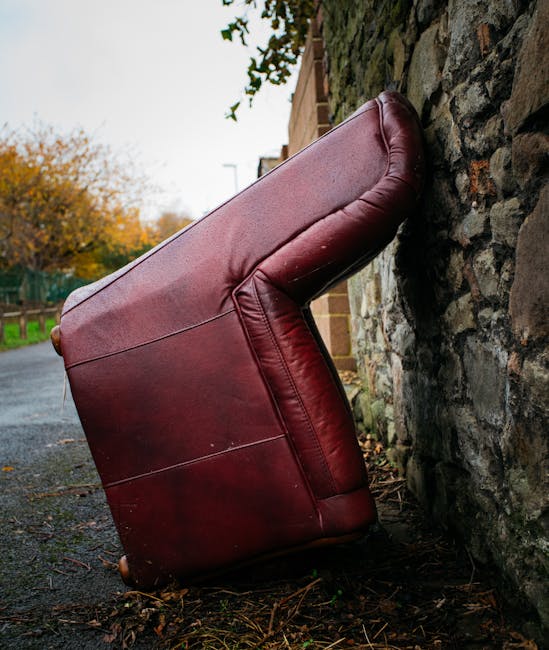
Need Bulky Waste Pickup in Childs Hill?
Posted on 14/05/2026
If you've got an old sofa wedged in the hallway, a mattress that's seen better days, or a pile of broken furniture after a move, you're not alone. Bulky waste has a habit of showing up at exactly the wrong time. It takes up space, gets in the way, and can turn a simple clear-out into a weekend you'd rather forget. That's where bulky waste pickup in Childs Hill comes in: a practical way to remove large, awkward items without the strain, the mess, or the usual "how on earth do I shift this?" moment.
This guide walks you through what bulky waste pickup means, how it works locally, who it helps most, and how to choose the right approach for your situation. Whether you're clearing a flat, emptying a house, or just trying to reclaim a spare room that has quietly become a storage unit, you'll find straightforward advice here. And yes, we'll keep it real-because lugging a wardrobe down a narrow stairwell is rarely as easy as it looks on a phone screen.
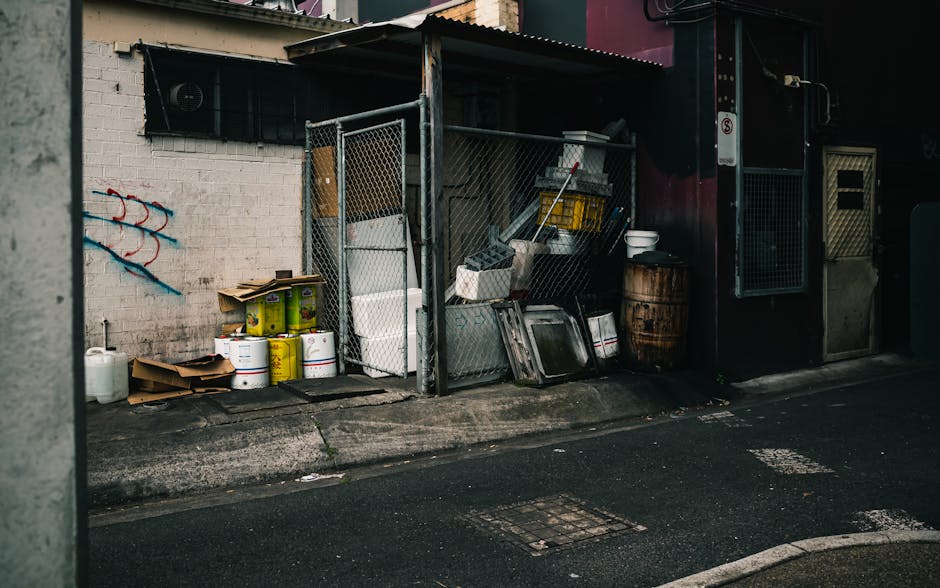
Why Need Bulky Waste Pickup in Childs Hill? Matters
Bulky waste is more than just "stuff you don't want anymore." It tends to be heavy, awkward, and hard to move safely. Think sofas, wardrobes, bed frames, exercise equipment, damaged white goods, old office desks, and the odd piano bench that somehow survived three moves and a storage unit. Left sitting around, these items can block access, create trip hazards, and make a property feel cluttered and smaller than it really is.
In Childs Hill, that matters for a few reasons. Flats and maisonettes often have tight hallways, shared stairwells, limited lift access, and not much room to manoeuvre. Even a "simple" item can become a small logistical puzzle. Add parking pressures, time restrictions, and the need to avoid disturbing neighbours, and it's easy to see why many people prefer a professional pickup rather than trying to improvise on a Saturday afternoon.
It also matters because bulky waste often appears at transitional moments: moving out, downsizing, renovating, dealing with an estate clear-out, or replacing worn-out furniture. These are already busy, emotional, or time-sensitive situations. The last thing you need is to waste energy wrestling with an old mattress while everything else is waiting.
For many households, the real value is simple: peace of mind. You know the item will be removed, handled with care, and dealt with properly. That can be a relief in itself. And if you're already planning a wider move, it can be worth looking at removals in Childs Hill or the broader removal services available locally, especially if your bulky waste is part of a bigger clear-out.
How Need Bulky Waste Pickup in Childs Hill? Works
The process is usually straightforward, but the details matter. In most cases, bulky waste pickup starts with identifying what needs removing, estimating how much space it will take, and checking whether the items are safe to lift, dismantle, or transport as-is. A good service will want a clear description. Photos help a lot. So does honesty about access-front steps, narrow corridors, basement levels, and parking restrictions can all affect the job.
Once the item list is confirmed, the pickup is scheduled. Depending on the provider and the urgency, this may be arranged in advance or handled as a same-day request. If you're in a rush, a same-day removals service in Childs Hill can be useful when an item has to go now rather than later. That might be due to a tenancy handover, a building inspection, or a new purchase arriving and the old one needing to leave first.
On the day, the team typically assesses access, plans the lift route, and removes the items carefully. This is where experience really shows. A sofa that looks manageable in the living room can become awkward at the stair turn. A freezer may need to be emptied, defrosted, and secured. A mattress can flex in a way that catches on a door frame. Small things, but they matter.
After pickup, items are sorted for their next destination. In some cases, that means reuse, recycling, or responsible disposal. If sustainability is important to you, it's worth checking how the provider approaches sorting and recovery. You can also read more about a local approach to reuse and responsible handling via recycling and sustainability.
Key Benefits and Practical Advantages
There are some obvious benefits, and a few that people only notice once the job is done.
- Less physical strain: bulky items are genuinely difficult to move without the right technique and equipment.
- Faster clear-outs: one coordinated pickup is usually easier than several improvised trips.
- Safer handling: heavy furniture, sharp edges, and awkward angles are less risky when managed by people who do this routinely.
- Better use of space: removing one oversized item can instantly open up a room, hallway, or storage area.
- Less stress during moves: when you're already dealing with packing, cleaning, and logistics, outsourcing the awkward bits can be a lifesaver.
There's also a less glamorous but important advantage: you avoid the "I'll deal with it later" pile that quietly grows in corners. To be fair, most homes have one. It starts with a chair and somehow becomes a small museum of half-finished decisions.
For example, if you're decluttering before moving, bulky waste pickup can work alongside sensible pre-move sorting. A useful companion read is effective decluttering tips for your next move, especially if you want to separate what's worth keeping from what is simply taking up room.
Who This Is For and When It Makes Sense
Bulky waste pickup suits a surprisingly wide range of people. It is not only for big house clearances or dramatic renovation projects. In everyday terms, it makes sense whenever an item is too large, too heavy, or too awkward to move safely on your own.
Common situations include:
- tenants leaving a flat and needing to remove old furniture quickly
- homeowners replacing sofas, beds, wardrobes, or appliances
- families clearing a room before decorating or reorganising
- students moving out and leaving behind damaged or unwanted items
- landlords preparing a property for the next occupants
- small businesses clearing office furniture or storage items
If your situation involves a flat with awkward access, the job often becomes more about planning than brute strength. That's where a local service familiar with buildings in the area can make life easier. If you're moving from or within a flat, you may also find flat removals in Childs Hill useful, since bulky item removal and flat moves often overlap.
It also makes sense when timing is tight. Maybe a new sofa is being delivered before the old one leaves. Maybe the landlord wants a room empty by morning. Or maybe you've hit that point where you look at the spare room and think, quietly, "Right. Enough."
Step-by-Step Guidance
Here's the clearest way to approach bulky waste pickup without turning it into a headache.
- List the items. Write down exactly what needs removing. Include dimensions if you can, especially for large furniture.
- Check condition and weight. Note if anything is broken, water-damaged, stuck together, or unusually heavy.
- Take photos. A few clear pictures from different angles help the team judge access and lifting points.
- Think about access. Stairs, lifts, tight corners, low ceilings, shared entrances, and parking all matter.
- Decide whether prep is needed. Empty drawers, remove loose parts, unplug appliances, or dismantle items if asked.
- Choose the right removal option. A single bulky item might need a simple pickup. A bigger clear-out may suit a larger van or a fuller removal service.
- Book a suitable time. Try to avoid rushed windows unless you really need them.
- Keep the route clear. On the day, move shoes, small furniture, bins, and breakables out of the way.
- Confirm what happens next. Ask how items are handled and whether any reusable goods are separated for recovery.
One practical note: if your bulky waste is tied to a wider home move, it can help to combine the task with other move-related prep. That way, you're not paying in time and energy twice. Articles like navigate moving day without stress and packing prowess for a smoother move fit neatly into that planning stage.
Expert Tips for Better Results
There's a big difference between "we got it out" and "we got it out neatly, safely, and without drama." The second one is what you want.
Measure doorways and stair turns before removal day. This sounds obvious, but people often forget. A piece of furniture that barely fits through a front door may need to be angled, lifted, or partly dismantled. If you know that in advance, the job moves much more smoothly.
Separate materials where possible. Wooden frames, fabric upholstery, metal parts, and electrical goods are often handled differently. If a wardrobe can be taken apart before pickup, that may make a real difference.
Protect walls and floors. Old items can scrape paint, scuff skirting boards, or mark stair runners. A little extra care saves grief later. In a narrow Childs Hill hallway, one heavy corner can do more damage than you'd expect.
Don't improvise lifting. If an item looks too heavy, it probably is. If it feels awkward, it's awkward. A small wobble on the stairs can turn into a bigger issue very quickly. For a practical deeper dive, innovative methods for solo heavy item lifting explains why technique matters more than bravado. Truth be told, bravado rarely wins.
Plan around other household jobs. If you're also cleaning, storing items, or replacing furniture, sequence matters. A sofa might need to leave before carpet cleaning. A freezer may need a proper shutdown before moving. If that sounds familiar, the guides on storing a sofa properly and storing a freezer safely can help you avoid extra work later.
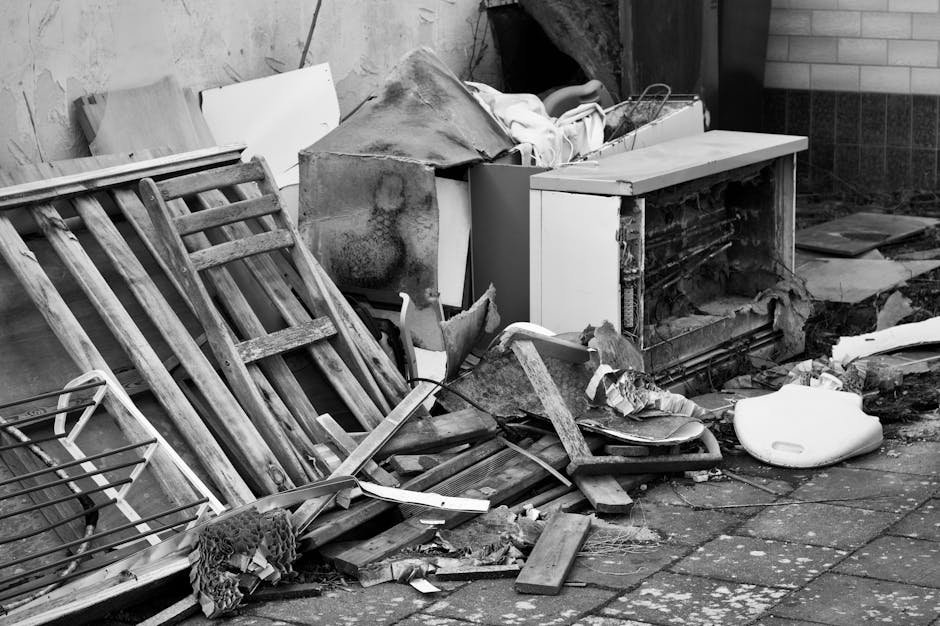
Common Mistakes to Avoid
Most bulky waste problems come from underestimating the job. Not maliciously, just optimistically. "It'll be fine" is a dangerous phrase when a wardrobe is involved.
- Leaving it until the last minute: especially if you need a specific pickup window or same-day help.
- Not measuring the item: a quick size check prevents surprises at the door.
- Ignoring access issues: stairs, parking, and lift restrictions can change the whole plan.
- Forgetting to empty items: drawers, shelves, and appliance contents should usually be cleared first.
- Trying to move everything alone: this is where injuries, scrapes, and damaged walls often happen.
- Mixing reusable items with waste: if something can be donated, repurposed, or stored, separate it early.
- Assuming all disposal routes are the same: not every item is handled in the same way, particularly electricals and mattresses.
There's also a planning mistake people make after moving: they forget the clean-up. If your bulky waste pickup is part of a move-out, a final wipe-down matters. You can find a helpful companion guide in how to tackle cleaning before relocating.
Tools, Resources and Recommendations
You do not need a garage full of gear to handle bulky waste well, but a few practical tools can make a big difference.
- Measuring tape: for doorways, hallways, stair widths, and item dimensions.
- Heavy-duty gloves: useful for rough edges, splinters, and dusty items.
- Furniture sliders or blankets: helpful for limited repositioning before pickup.
- Basic screwdriver or Allen key set: useful if an item can be dismantled safely.
- Strong bin bags or small boxes: for screws, brackets, cables, and loose parts.
- Phone camera: take clear pictures for planning and quoting.
For supporting services, it can help to understand the wider removal options available locally. A good starting point is the services overview, especially if you need bulky item pickup alongside furniture removal, a man with a van, or storage support. If you're still deciding how much help you need, man with a van in Childs Hill and man and van in Childs Hill are worth comparing as practical options.
If your bulky waste needs to be moved before you can sort it properly, storage may be the safer middle step. That can be useful if you're selling items, waiting for a new property, or simply not ready to let go of everything in one go. In that case, storage in Childs Hill may be the right bridge.
Law, Compliance, Standards, or Best Practice
Bulky waste pickup is not just about convenience. It should also be handled responsibly. In the UK, waste handling is expected to follow proper duty-of-care principles, which in plain English means waste should be collected, transported, and disposed of by people who know what they're doing and can account for where it goes.
You do not need to memorise legislation to make a sensible choice, but you do want to avoid anyone who seems vague about disposal, insurance, or handling methods. Good practice usually includes:
- clear identification of what is being removed
- safe lifting and loading methods
- careful handling of electrical items and sharp materials
- responsible sorting for reuse, recycling, or disposal
- transparent communication about what the service includes
It is also sensible to check that a provider has a serious approach to safety. That may include training, vehicle suitability, and public liability cover, depending on the type of work. For more reassurance on this side of things, the local pages on insurance and safety and health and safety policy are useful references.
If you're disposing of mixed items, a little judgement helps. Mattresses, fridges, sofas, and office furniture can each require different handling. That's normal. The safest approach is to ask in advance rather than guessing.
Options, Methods, or Comparison Table
There are a few ways to deal with bulky waste in Childs Hill. The right choice depends on how many items you have, how quickly they need to go, and how much effort you want to put in. Here's a simple comparison.
| Option | Best for | Pros | Trade-offs |
|---|---|---|---|
| DIY removal | Small, light, easily carried items | Can be low cost if you already have transport | Time-consuming, physically demanding, higher risk of damage or injury |
| Bulky waste pickup service | Single large items or a moderate clear-out | Convenient, quicker, safer, less hassle | Needs scheduling and a clear item list |
| Full removal service | House moves, multiple rooms, or awkward access | More hands, more planning support, better for mixed loads | May be more than you need for a single item |
| Storage first, removal later | Uncertain decisions or staged clear-outs | Buys time, reduces pressure, helps with sorting | Not an immediate disposal solution |
If your bulky waste is part of a bigger relocation, a broader local move plan may be the most efficient route. That's especially true if you're dealing with stairs, parking, or several heavy items at once. You might find the area guidance in the Childs Hill to NW2 neighbourhood moving guide useful for thinking through local logistics.
Case Study or Real-World Example
Here's a realistic scenario, with the names left out because, frankly, the details are enough.
A couple in a Childs Hill flat decided to replace a worn sofa, an old bed frame, and a broken chest of drawers before redecorating. At first, they planned to shift everything themselves. Then they measured the stairwell and realised the sofa would need a careful angle to pass the turn on the landing. The bed frame also had stubborn fixings, and the chest of drawers had split corners that made it unstable to carry.
Instead of forcing it, they listed the items, cleared the route, and arranged a pickup. They also checked the old mattress and removed bedding, loose fittings, and small waste beforehand. That meant the removal itself took less time and caused less disruption. The hallway stayed clean, the lift wasn't blocked for ages, and the new furniture could be delivered without a pile of old items in the way.
The helpful bit? They treated the bulky waste as part of the move, not as a separate afterthought. That made the whole week calmer. Not perfect, still busy, but calmer.
If their sofa had needed to stay in storage for a while, the storage and care advice in how to extend sofa life in storage would have been especially relevant. Likewise, if they'd needed to keep the bed or mattress temporarily, simplifying the move of your bed and mattress offers useful context.
Practical Checklist
Use this before your pickup day. It keeps the job tidy and stops the classic last-minute scramble.
- List every bulky item that needs removing.
- Measure anything large, heavy, or awkward.
- Take clear photos from multiple angles.
- Check access routes, stairs, and parking.
- Empty drawers, cupboards, and appliance contents.
- Disconnect appliances safely if required.
- Remove loose parts, cables, cushions, or detachable shelves.
- Clear hallways, doorways, and landing spaces.
- Decide whether any items should be reused, stored, or donated.
- Confirm the booking time and any arrival instructions.
- Ask how the items will be handled after collection.
- Keep pets and children away from the removal route on the day.
A small tip, but a useful one: if you're also packing for a move, keep essential tools and documents separate from the clutter. The guide on pre-move cleaning and packing and boxes in Childs Hill can make that stage less chaotic.
Conclusion
Need bulky waste pickup in Childs Hill? The short answer is that it saves time, reduces risk, and makes awkward removals feel manageable instead of overwhelming. The longer answer is that it helps you move, clear, store, or refresh a home with far less strain and far better control.
Whether you're dealing with one heavy item or a full room of unwanted furniture, the best results come from a bit of planning, honest access details, and the right local support. If you choose carefully, the whole process becomes simpler than you might expect. And once that bulky item is gone, the room often feels lighter straight away. Quite a nice feeling, really.
Get a free quote today and see how much you can save.
When you're ready, take the next step with confidence. A clear space has a way of making everything else feel more possible.