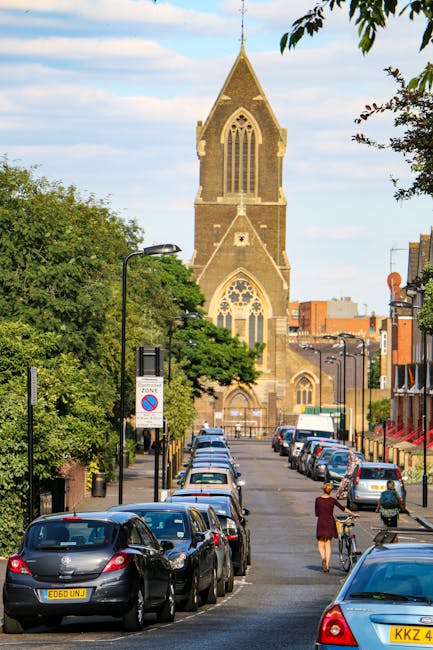
Finchley Road to Childs Hill: Navigating Narrow Streets
Posted on 06/05/2026
Moving between Finchley Road and Childs Hill can look straightforward on a map, yet the reality on the ground is often a different story. Narrow residential streets, parked cars, awkward turns, school-time traffic, and the occasional double-parker can turn a short local move into something that needs proper planning. If you are trying to organise a flat move, deliver furniture, or simply get a van safely through tight London roads, the difference between a smooth job and a stressful one is usually in the preparation.
This guide to Finchley Road to Childs Hill: Navigating Narrow Streets breaks down the route challenges, practical moving tactics, vehicle choices, loading decisions, and the little details that save time on moving day. To be fair, most issues are predictable once you know what to look for. And that is good news, because predictable problems are the easiest to handle.
Whether you are comparing services, planning a same-day move, or just trying to avoid scratching a wardrobe on a tight corner, you will find real-world advice here. A few smart choices early on can prevent a lot of awkward lifting later. A lot, actually.
Why Finchley Road to Childs Hill: Navigating Narrow Streets Matters
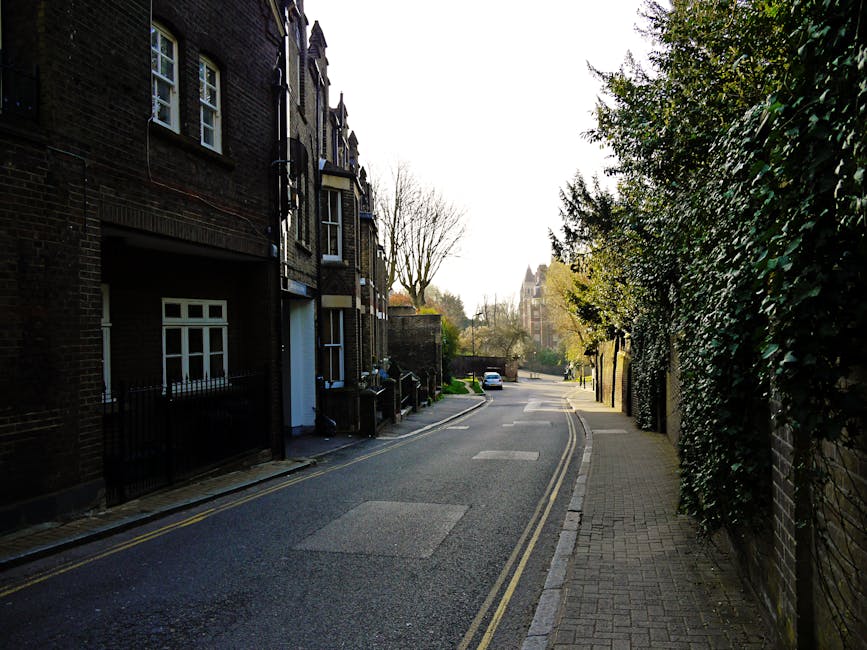
Finchley Road sits in one of those parts of North West London where routes can change character very quickly. You can move from a wider main road onto a side street that feels suddenly tighter, steeper, and more congested. In Childs Hill, that mix of residential parking, terraced housing, and compact access points can make van positioning a genuine challenge.
For households and businesses, that matters because access problems affect almost everything: the size of van you can safely use, whether you need a parking suspension, how long loading takes, and whether bulky items can even reach the front door without damage. It is not just about driving. It is about the whole chain: approach, stop, unload, carry, and exit.
People often underestimate the effect of narrow streets until moving day. Then the van arrives, someone spots a low-hanging branch, and a quick job becomes a careful one. Truth be told, that is normal in London. The key is not to panic; the key is to plan for the street, not just the destination.
It also matters for safety. Tight turns and parked cars increase the chance of mirror knocks, property scuffs, trips while carrying, and rushed decisions. If you have ever tried to angle a sofa around a stairwell while a van is waiting outside in traffic, you will know exactly what that feels like. Not ideal.
How Finchley Road to Childs Hill: Navigating Narrow Streets Works
Getting from Finchley Road into Childs Hill by van usually depends on three things: route selection, vehicle sizing, and timed execution. That sounds simple enough, but each one has a few moving parts.
First, the route needs to be checked before the van arrives. A driver may have a technically legal route, but if one road is lined with parked vehicles and another has a tighter corner with no passing room, the practical route is different from the map route. This is where local knowledge really helps. A good mover will think in terms of clearance, not just distance.
Second, the vehicle needs to match the street. A compact man with a van in Childs Hill can be a better fit than a larger removal truck if access is restricted. In other cases, a slightly bigger van reduces the number of trips and makes the overall move faster. There is no one perfect answer. It depends on volume, item size, and how tight the access is.
Third, timing matters. Arriving outside school runs, avoiding peak commuter periods where possible, and coordinating with neighbours can make a huge difference. On a narrow road, five minutes can be the difference between a calm load and a queue of frustrated drivers behind you.
Sometimes the practical solution is to park a little further away and use dollies, straps, and patient carrying. A short extra walk can be much safer than forcing a van into a space that is really too tight. That is just sensible logistics, even if it is not the glamorous part of moving.
Key Benefits and Practical Advantages
Good planning for narrow-street moves is not only about avoiding problems. It also brings clear benefits that can be felt on the day and after the move.
- Less risk of damage to furniture, walls, gates, and vehicle mirrors.
- Faster loading and unloading because the route and parking point are already sorted.
- Lower stress for everyone involved, especially if children, pets, or neighbours are nearby.
- Better use of labour since movers spend less time improvising.
- More predictable costs when access issues are identified early instead of being discovered mid-job.
There is also a quieter benefit: confidence. When you know the street has been assessed properly, you stop second-guessing every turn of the wheel. That helps the whole move feel more manageable. And, yes, even the driver tends to breathe a little easier.
If your move includes larger or awkward items, those gains become even more noticeable. A careful approach to access can make a huge difference for furniture removals in Childs Hill, where sofas, wardrobes, and dining tables often need more than brute force to get out safely.
Who This Is For and When It Makes Sense
This kind of planning is useful for a lot more people than first-time movers. In practice, it helps anyone dealing with restricted access, not just those on a famously tight road.
- Flat movers in terraced streets or converted properties.
- Students moving into or out of shared housing with limited curb space.
- Families with bulkier loads, prams, beds, and household furniture.
- Small businesses relocating equipment, archive boxes, or office furniture.
- Anyone needing short-notice help where a quick response matters.
It makes sense whenever access is not straightforward. That could mean a narrow one-way road, a street with controlled parking, a basement flat with awkward stairs, or a property where you cannot stop directly outside. If you are unsure, assume access will be trickier than you hope. That sounds pessimistic, but it saves headaches.
For smaller moves, a tailored service such as flat removals in Childs Hill or student removals in Childs Hill can be especially useful because the load is often lighter, but the access is not. Funny how that happens.
Step-by-Step Guidance
Here is a practical way to approach a Finchley Road to Childs Hill move when the streets are narrow and parking is limited.
- Survey both ends of the move. Check the collection address and delivery address. Look for width restrictions, low branches, parked cars, one-way systems, and whether there is enough space to turn or reverse safely.
- Measure the awkward items. Sofas, beds, mattresses, wardrobes, and pianos are the usual culprits. Measure height, width, and depth, then compare them with doorways, stair landings, and entrance widths.
- Choose the right vehicle. A smaller van can be easier on narrow roads, but if the load is large, you may need a compromise between capacity and access. If unsure, review removal van options in Childs Hill.
- Reserve a parking space or plan a safe stop. Where permits, suspensions, or local parking rules apply, deal with them before moving day. Waiting for a free space on a narrow road is not a strategy. It is a gamble.
- Pack and label strategically. Keep heavy items in small boxes, protect corners, and make sure essential items are easy to reach. The easiest box to identify should not be the one containing your kettle at 7 a.m.
- Load in a sensible order. Put large stable items in first, then stack lighter boxes around them. Use straps and blankets to stop shifting.
- Carry with clear communication. One person should guide the route through the street, stairs, and doorway. A short "pause here" or "watch the left" saves a lot of bumping around.
- Do a final sweep. Check hallways, cupboards, and behind doors before leaving. It sounds obvious. People still forget the back of the airing cupboard, though.
If your move includes a lot of belongings, it can also help to use packing and boxes in Childs Hill guidance early. Good packing makes narrow-street loading far less chaotic.
Expert Tips for Better Results
In our experience, the jobs that go smoothly are usually the ones where people have already thought through the annoying bits. Here are the details worth paying attention to.
Use the street, not just the postcode, as your plan
A postcode tells you the area. It does not tell you where the van can safely stand. Walk the access route if possible, or at least check recent street imagery and note the exact side of the road with the easiest approach.
Break down bulky furniture before the move
Disassemble what you can. Bed frames, table legs, shelving, and some wardrobes are much easier to move in pieces. If a bed is part of the move, a little planning goes a long way; see our guide to moving beds and mattresses for a sensible approach.
Protect the hardest corners first
On narrow streets, the corners take the hits. That means door frames, bannisters, van edges, and cabinet corners. Use blankets, corner guards, and proper wrapping before the first item even moves.
Keep a buffer in your timing
Traffic on Finchley Road can build quickly, and local streets can feel busier than expected around school drop-off, late afternoon, and weekend shopping hours. Give yourself breathing room. A 20-minute delay is a lot less painful than a rushed lift.
Don't overfill boxes
This is a classic mistake. Heavy boxes are harder to carry safely along a narrow path and more likely to split at the worst moment. Books, dishes, and tools should be packed with care and kept to manageable weights.
Use sensible lifting technique
Anyone carrying furniture in tight spaces should think about posture, grip, and foot placement. If you want a deeper look at body-safe handling, read this piece on kinetic lifting. It explains the basic mechanics in plain English, which is honestly refreshing.
And a small one, but important: keep your phone charged. If access changes, the driver needs to reach the contact person quickly. You do not want to be standing on a pavement playing voicemail ping-pong.
Common Mistakes to Avoid
Narrow-street moves usually fail in the same predictable ways. Knowing them in advance makes you far less likely to repeat them.
- Ignoring access until moving day. By then, the options are limited.
- Choosing a vehicle that is too large. Bigger is not always better when roads are tight.
- Forgetting parking arrangements. This can delay the job and add avoidable pressure.
- Packing fragile items loosely. A short carry over paving stones is enough to expose weak packing.
- Trying to move one heavy item solo. It feels quicker until it goes wrong. If you need extra guidance, solo heavy item lifting methods are worth reviewing, though for many pieces the safer answer is still to get help.
- Leaving cleaning and clearing too late. A cluttered room slows everything down. This is where decluttering tips for your next move can make a real difference.
One more mistake deserves a mention: assuming every item can be carried through the front path. Some pieces simply will not fit without a different angle, more hands, or partial dismantling. Better to decide that before the lift starts than halfway through the doorway.
Tools, Resources and Recommendations
You do not need a van full of specialist gear to move well through narrow streets, but the right basics make the process smoother and safer.
- Furniture blankets to prevent scuffs and corner damage.
- Ratchet straps or load straps to keep items steady in transit.
- Removal trolleys and sack trucks for boxes and heavy appliances.
- Gloves with a good grip for better handling and less hand strain.
- Doorframe and corner protectors for tighter properties.
- Labels and marker pens so boxes are easy to sort when you arrive.
It also helps to prepare life around the move, not just the move itself. If you are storing items, for example, furniture and appliances need different handling. See how to store a sofa properly and the safe way to store a freezer if you are not taking everything straight into the new property.
For those comparing help options, the main service pages are useful starting points. You can review removals in Childs Hill, removal services in Childs Hill, and the broader services overview to match the job to your needs.
Law, Compliance, Standards, or Best Practice
For local moves in London, compliance usually comes down to practical best practice rather than anything overly dramatic. Still, it matters.
Check parking and loading rules carefully, especially if the route uses controlled parking zones, permit streets, or loading restrictions. Councils may allow temporary suspensions or permits in some cases, but these need arranging in advance and they are not guaranteed. Don't assume a quick stop is fine just because the street looks empty.
Health and safety should also be taken seriously. Safe manual handling, sensible lifting weights, and clear walkways are standard expectations for any professional mover. If a move involves stairs, uneven paving, or awkward access, the risk rises quickly, so the working method should adapt. That is one reason a clear health and safety policy and sensible moving practice matter.
Insurance is another key point. Even careful movers cannot remove every risk in a narrow street, so it is wise to understand cover, exclusions, and what happens if damage occurs. The right approach is straightforward: plan carefully, work safely, and use a provider that explains its process clearly. If you want to read more, the site's insurance and safety information is a useful reference.
For customers who value transparency, it is also sensible to check terms and conditions, pricing and quotes, and the company's general approach to service. In a tight-access move, clarity is not a luxury. It is part of the job.
Options, Methods, or Comparison Table
Different move types call for different approaches. The table below gives a simple comparison to help you think through the best fit for narrow streets around Finchley Road and Childs Hill.
| Method | Best for | Strengths | Limitations |
|---|---|---|---|
| Small van move | Single rooms, light flats, quick local jobs | Easier access, more manoeuvrable, less street obstruction | May require more trips if the load is larger |
| Man and van service | Flexible local removals with moderate load size | Good balance of cost, speed, and adaptability | Not ideal for very large furniture sets or bulky house moves |
| Full removal team | Family homes, larger furniture, complex access | More hands, better handling, faster load management | Needs more space and may be less convenient on extremely narrow roads |
| Split-load or staged move | Properties with serious access restrictions | Reduces congestion and can work well around awkward streets | Requires more coordination and careful timing |
If your move is time-sensitive, services like same-day removals in Childs Hill may be useful, but only if the access is assessed honestly. Same-day help is brilliant when it fits. It is less brilliant when a van cannot physically get close enough.
Case Study or Real-World Example
Picture a fairly typical local move: a one-bedroom flat near Finchley Road, heading into a side street in Childs Hill. The furniture includes a sofa, bed frame, mattress, coffee table, kitchen boxes, and a couple of awkward lamps. Nothing unusual, really. The problem is the street.
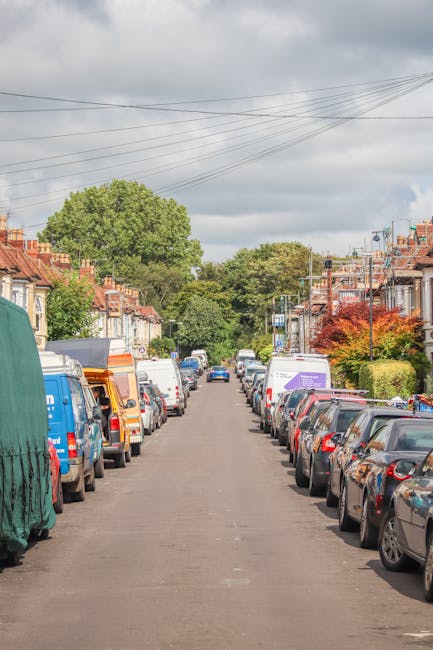
The first look shows parked cars on one side, a bend at the end of the road, and not much room for a large vehicle to sit without blocking traffic. Rather than forcing the biggest van available, the mover chooses a more compact option and plans a short carry from the safest stopping point. The bed frame is dismantled in advance, the mattress is wrapped, and the sofa is protected with blankets to avoid rubbing against a tight hallway corner.
On the day, the van arrives after the school-run window. One person guides the driver in, another manages the doorway, and heavier boxes are carried in smaller loads. The whole job takes a bit longer than a wide-open suburban move would, but it stays calm. No wall scrapes. No frantic reshuffling. Just steady, sensible work.
That is the real lesson with narrow streets: the best move is often the one that looks slightly less ambitious on paper. Less drama. More control.
For more route-specific context, you may also find the local guide Childs Hill Road to NW2: a neighbourhood moving guide helpful when planning nearby journeys and access patterns.
Practical Checklist
Use this checklist before move day. It keeps things grounded and saves the kind of last-minute scrabble everyone dislikes.
- Measure the largest items and compare them with doors, hallways, and stairs.
- Confirm where the van can safely stop on both ends of the move.
- Check for parking restrictions, permits, or loading limits.
- Choose a vehicle size that suits the street, not just the volume.
- Pack heavy items into smaller boxes.
- Disassemble furniture where possible.
- Wrap corners, glass, and fragile surfaces properly.
- Keep a clear path inside the property.
- Charge phones and keep contact numbers ready.
- Set aside essentials for the first night or first day.
- Plan for access delays with a bit of buffer time.
- Review service details, insurance, and quote information before confirming.
If you are still deciding what kind of support you need, it may help to look at about us, removal companies in Childs Hill, and man and van options in Childs Hill to compare the level of help against the complexity of your move.
Expert summary: Narrow-street moving is mostly a planning exercise. If the access is checked early, the vehicle is matched properly, and the load is prepared with care, the move becomes far less stressful. In a place like Childs Hill, that preparation is not extra effort; it is the main job.
Conclusion
Moving along Finchley Road into Childs Hill does not have to be a stressful experience, but it does reward people who think one step ahead. Narrow streets, parking pressure, and awkward access points are manageable when you plan for them early and choose a moving method that suits the road, not just the removal list.
The best results usually come from simple things done well: accurate measurements, sensible timing, a suitable van, good packing, and patient lifting. Add clear communication and a calm pace, and even a tricky local move can feel orderly. Not easy, perhaps. But definitely manageable.
If your route, furniture, or timing feels even slightly complicated, that is usually the sign to get professional support rather than gamble on guesswork. A bit of preparation now can save a lot of trouble later, and honestly, that is the kind of trade most people are glad they made.
Get a free quote today and see how much you can save.
And if you are still refining the plan, take your time with it. A careful move is a quieter move, and a quieter move tends to end with everyone breathing easier.